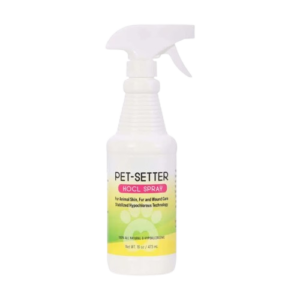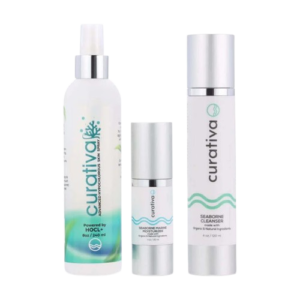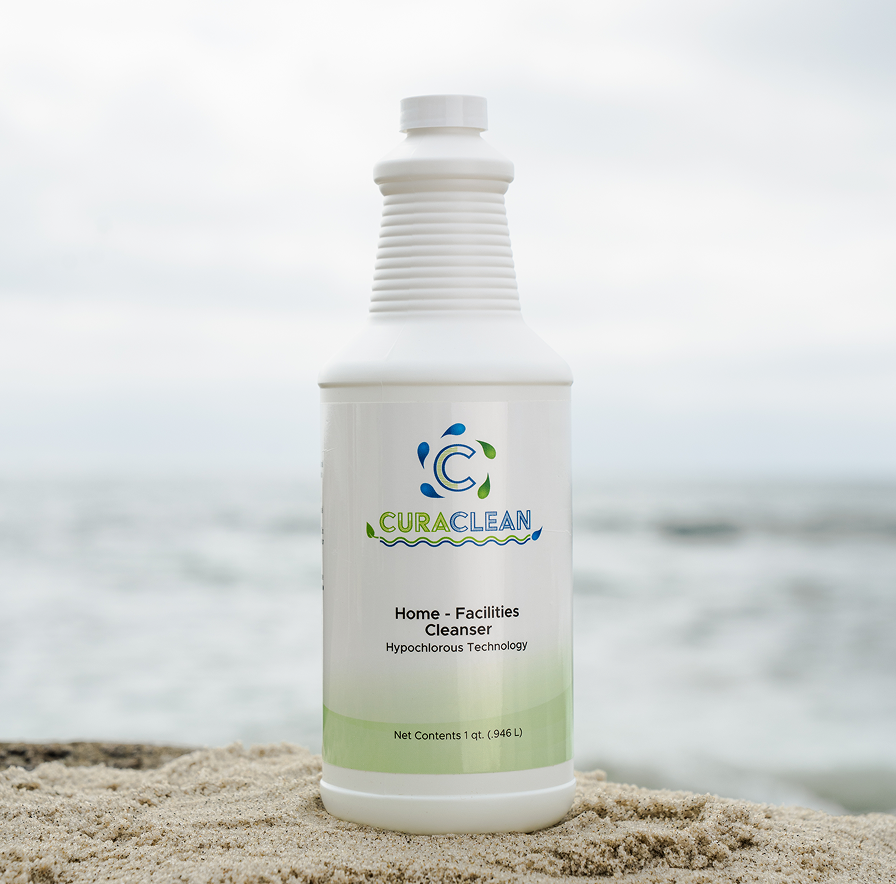
When people first hear about hypochlorous acid (HOCl), the most common reaction is:
“Isn’t that just bleach?”
It’s a fair question. Both are chlorine-based compounds, both are used to support cleanliness, and both have a faint chlorine-like scent. But chemically, functionally, and practically, hypochlorous acid and bleach are very different substances.
Understanding the difference can help you make safer, smarter choices for your skin, your home, and your daily routine.
What Is Bleach?
Bleach, commonly known as sodium hypochlorite, is a highly alkaline chemical used primarily for industrial and household disinfection. It is effective, but also harsh.
Typical characteristics of bleach include:
- Very high pH (highly alkaline)
- Strong, lingering odor
- Corrosive to skin, fabrics, and surfaces
- Requires dilution and protective handling
Because of its strength, bleach is not suitable for direct skin application and can disrupt surfaces and materials over time.
What Is Hypochlorous Acid (HOCl)?
Hypochlorous acid is a weak acid that exists naturally in the human body. White blood cells produce HOCl as part of the immune system’s natural response to everyday exposure.
For topical and surface use, HOCl is created through an electrolysis process using purified water and salt. When properly stabilized, it closely mirrors the HOCl your body already recognizes.
Key characteristics of hypochlorous acid include:
- Skin-compatible pH when formulated correctly
- Fast-acting but gentle
- Leaves no residue
- Breaks down naturally into salt and water
This is why HOCl is used in medical, dermatology, and wellness environments where both effectiveness and gentleness matter.
Why Hypochlorous Acid Is Not Bleach
Although bleach and hypochlorous acid are related chemically, the differences are significant.
HOCl vs Bleach
| Feature | Hypochlorous Acid (HOCl) | Bleach |
|---|---|---|
| pH | Skin-compatible | Highly alkaline |
| Skin use | Suitable when formulated for skin | Not suitable |
| Residue | None | Can leave residue |
| Odor | Mild, brief | Strong, lingering |
| Breakdown | Salt and water | Chemical byproducts |
In simple terms, bleach is aggressive and stripping. Hypochlorous acid is supportive and balanced.
Why Hypochlorous Acid Is Used on Skin but Bleach Is Not
Skin has a delicate barrier designed to protect against dehydration and irritation. Products that disrupt this barrier can lead to dryness, redness, and discomfort over time.
Hypochlorous acid supports skin in a fundamentally different way:
- It works on the surface without stripping oils
- It does not rely on alcohol or surfactants
- It aligns with the skin’s natural chemistry
This makes HOCl suitable for frequent use, even on sensitive or reactive skin types.
What About the Chlorine Smell?
One of the most common questions is about scent.
Hypochlorous acid may have a faint, clean scent immediately after application. This is normal and dissipates quickly. It does not behave like bleach, does not linger, and does not transfer to clothing or hair.
The brief scent is simply a sign of an active chlorine compound, not an indicator of harshness.
Why More People Are Switching from Bleach to HOCl-Based Products
As consumers become more ingredient-aware, many are seeking alternatives that are effective without being aggressive.
Hypochlorous acid is gaining popularity because it:
- Reduces reliance on harsh chemicals
- Is suitable for skin, surfaces, and air-adjacent use when formulated appropriately
- Simplifies routines with multi-use versatility
- Fits modern wellness and skin-barrier-focused philosophies
It is not about replacing bleach in industrial settings, but about offering a safer, gentler option for everyday environments.
When Bleach Still Makes Sense
Bleach still has a place in heavy-duty, industrial, or emergency sanitation scenarios. It is powerful and effective when used correctly.
But for daily skin care, frequent surface refreshing, or environments involving children, pets, or sensitive skin, hypochlorous acid offers a more balanced alternative.
Final Takeaway
Hypochlorous acid and bleach may sound similar, but they serve very different purposes.
Bleach is harsh, corrosive, and meant for limited use.
Hypochlorous acid is biologically familiar, skin-compatible, and designed for frequent, everyday support.
Understanding the difference helps you choose products that work with your body and environment, not against them.