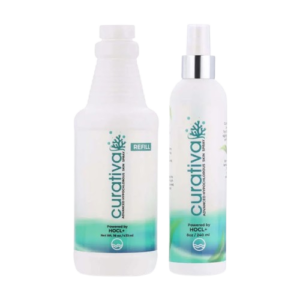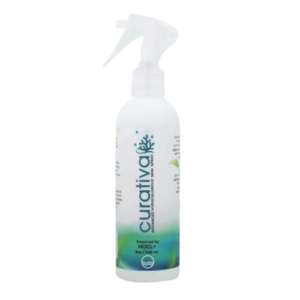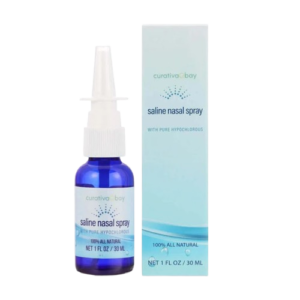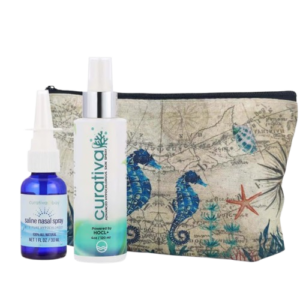
Hypochlorous acid (HOCl) is quickly becoming one of the most talked-about ingredients in modern skincare. Once reserved for medical and clinical environments, this naturally occurring molecule is now gaining attention for its ability to support clean, calm, and balanced skin without harsh chemicals.
But what exactly is hypochlorous acid, how does it work on skin, and why are so many professionals incorporating it into daily routines?
This guide breaks it all down in simple, science-backed terms.
What Is Hypochlorous Acid (HOCl)?
Unlike traditional skincare actives that exfoliate, strip, or aggressively target the skin, hypochlorous acid works in a more supportive way.
On the skin’s surface, HOCl helps:
- Maintain a clean skin environment
- Support the skin’s natural barrier
- Reduce visible signs of irritation
- Promote overall skin comfort and balance
Because it functions similarly to what the body already produces, hypochlorous acid is well tolerated by most skin types, including sensitive or reactive skin.
Why Hypochlorous Acid Is Different from Alcohol or Harsh Cleansers
Many traditional sprays and toners rely on alcohol or strong surfactants to create a “clean” feeling. While effective short-term, these ingredients can disrupt the skin barrier over time.
Hypochlorous acid is different.
- It is alcohol-free
- It does not sting or burn when properly formulated
- It leaves no residue
- It does not dry out the skin
This makes HOCl particularly appealing for daily use, post-workout care, post-procedure routines, and environments where skin needs frequent refreshing.
Is Hypochlorous Acid Safe for Sensitive Skin?
When formulated at skin-appropriate concentrations and pH levels, hypochlorous acid is widely regarded as gentle enough for everyday skincare use.
Many dermatology clinics, aesthetic practices, and wellness professionals use HOCl-based products as part of routine skin maintenance because they are:
- Non-irritating
- Free from synthetic fragrance
- Suitable for frequent application
As with any skincare product, individual sensitivities vary. Patch testing is always recommended before full use.
Common Ways People Use Hypochlorous Acid in Skincare
Hypochlorous acid is incredibly versatile, which is why it appears in many modern routines.
Common uses include:
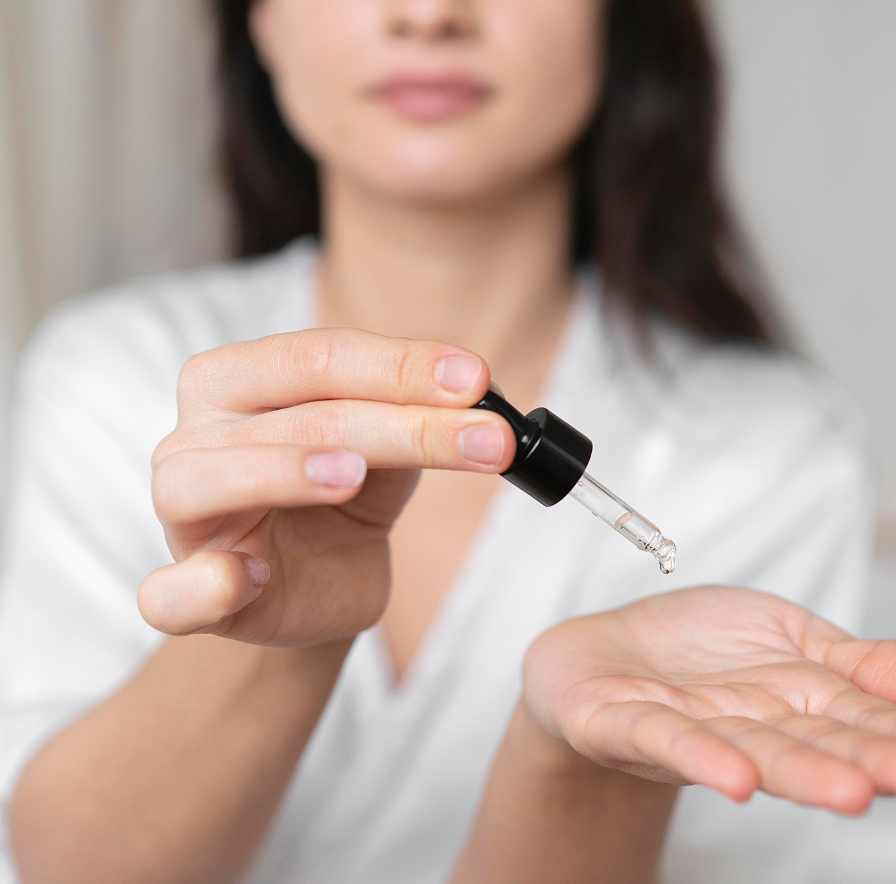
- As a facial mist after cleansing
- To refresh skin after workouts or sweating
- Following shaving or waxing
- During travel or environmental exposure
- As a gentle step before serums and moisturizers
Because HOCl absorbs quickly and requires no rinsing, it layers easily with other skincare products.
Does Hypochlorous Acid Smell Like Chlorine?
Some people notice a faint, clean scent immediately after application. This is normal and dissipates within seconds.
It is not bleach, does not linger, and does not leave a chemical odor on the skin or clothing.
Why Hypochlorous Acid Is Trending in Modern Skincare
Hypochlorous acid sits at the intersection of science and skin biology. As consumers become more ingredient-aware and move away from harsh formulations, HOCl offers a compelling alternative.
Its rise in popularity is driven by:
- Increased focus on skin barrier health
- Demand for gentle, daily-use products
- Minimalist ingredient lists
- Multi-use skincare solutions
In short, HOCl fits perfectly into the future of skin health.
Final Takeaway
Hypochlorous acid is not a trend ingredient. It is a biologically familiar molecule that supports skin comfort, cleanliness, and balance in a way few other ingredients can.
For those looking to simplify their routine without sacrificing performance, hypochlorous acid offers a science-backed, skin-friendly solution that works with the body, not against it.