
Free Standard Shipping on U.S. Orders Over $75

Free Standard Shipping on U.S. Orders Over $75

Shopping cart
Eye Love Eye Gel
Eye Love Eye Gel
1 × $ 38.99
Ultimate Skin Health Regimen
Simply Clear Regimen
1 × $ 76.20
Aloe Miracle Moisture Masque
Subtotal: $ 232.79
Your order qualifies for free shipping!
VIEW CART CHECKOUT

I Spent Years Putting Dangerous Chemicals on My Face. Then I Found What My Body Was Already Making.

I Spent Years Putting Dangerous Chemicals on My Face. Then I Found What My Body Was Already Making.

By Curativa Bay  ·  Real Talk Skincare Series

🛁  Chapter One: The Bathroom Cabinet of Shame

Let me paint you a picture.

It’s 7 a.m. I’m standing in front of a bathroom mirror, running through a routine that takes longer than my entire morning workout. Cleanser. Toner. Spot treatment. Prescription cream. Moisturizer. Another moisturizer, because the first one dried me out. SPF because I’m terrified of the photosensitivity warning on my retinoid. Concealer over the parts nothing helped.

I was 24. I had been doing some version of this since I was 14.

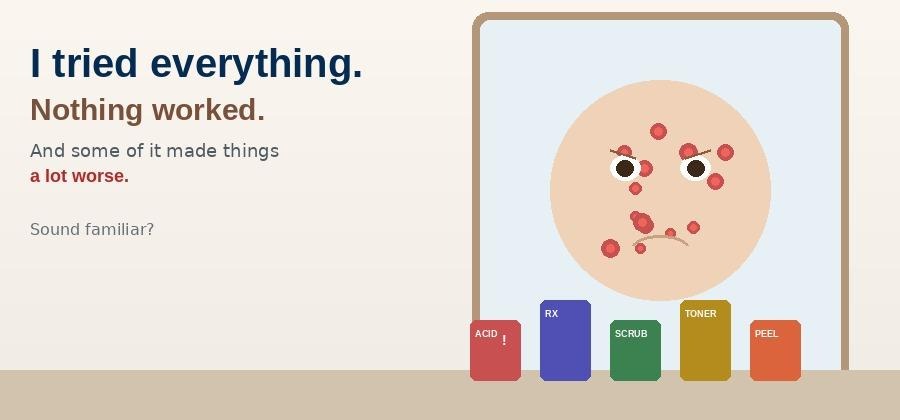
My skin was the thing I thought about first when I woke up and last before I fell asleep. Whether it looked okay today. Whether the concealer would hold. Whether someone across the table could see what I was desperately trying to hide.

“If I just find the right product, it’ll finally work.”

I told myself that for ten years.

📃  Chapter Two: The Things They Told Me to Use

We have been handed some genuinely alarming products and told to put them on our faces.
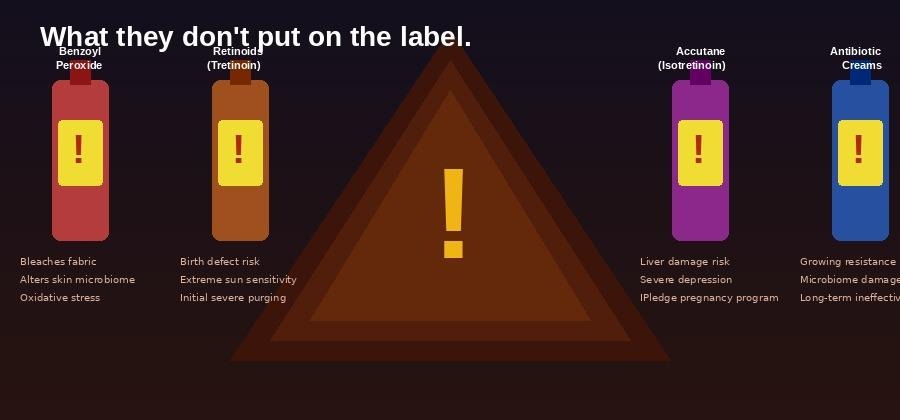
The common acne treatments on the market today carry risks most people are never told about.

I don’t say this to scare you. I say it because no one said it to me, and I wish someone had.

When you’re desperate and your skin is affecting your confidence, your relationships, your willingness to show up in your own life — you will try things. You will try everything. And the skincare and pharmaceutical industry knows that. Which is why some of what gets handed to us, recommended by dermatologists, sold in every pharmacy, is genuinely worth being informed about.

Here is what I went through. Maybe some of it sounds familiar.

Benzoyl Peroxide

It bleached every pillowcase I owned. Every towel. Every shirt collar. That part they do tell you. What they tell you less often is that benzoyl peroxide generates free radicals on the skin — the same kind of oxidative stress linked to premature aging. It doesn’t discriminate between harmful bacteria and the healthy microbiome your skin actually depends on. It kills everything. And when you strip your skin’s protective ecosystem repeatedly, you often end up more vulnerable — more reactive, more prone to the very breakouts you’re trying to prevent.

I used it for three years. My skin never really cleared. It just stayed perpetually irritated.

⚠  What research says about benzoyl peroxide:•  Generates reactive oxygen species (free radicals) that can damage healthy skin cells•  Destroys the skin microbiome indiscriminately, disrupting the skin’s natural defense system•  Can cause chemical burns at higher concentrations, particularly on sensitive skin•  Long-term use may contribute to antibiotic resistance in combination treatments•  Does not address the underlying inflammation that drives persistent acne

Prescription Retinoids (Tretinoin, Retin-A)

I was put on tretinoin at 22. My dermatologist spent about four minutes with me, handed me a prescription, and told me to “expect some peeling.” What followed was six weeks of what can only be described as my face falling off. Peeling, burning, raw, perpetually red — and all of this while I was supposed to be showing up to work and pretending everything was fine.

Retinoids work, eventually, for some people. But the “purging” phase is brutal, they make you photosensitive in a way that requires strict SPF compliance for years, and the warnings — which are printed in small text inside the packaging — include things most people would want to know before they start.

⚠  What the packaging says in fine print:•  Retinoids are Category X for pregnancy — they cause severe birth defects, period•  Extreme photosensitivity: sun exposure can cause permanent hyperpigmentation•  Initial “purging” causes significant worsening of acne for weeks to months•  Dryness, peeling, and compromised skin barrier are expected, not side effects•  Should not be used near the eyes, mouth, or on broken/sensitive skin

Accutane (Isotretinoin) — The One They Push When Nothing Else Works

I was offered Accutane at 19. I said no, mostly because my mother read about it and cried. I watched friends go through it. The drug works — for many people it clears acne permanently — but the cost is extraordinary.

People on Accutane must be enrolled in a mandatory government surveillance program called iPLEDGE because the drug causes such severe birth defects that the FDA determined it required monitoring at the national level. That alone should give us pause about how freely it is prescribed to teenagers.

⚠  Accutane carries some of the most serious warnings in all of dermatology:•  Causes severe, life-threatening birth defects — mandatory pregnancy testing required•  Linked to depression, suicidal ideation, and psychiatric events in clinical literature•  Can cause liver damage — requires blood monitoring throughout treatment•  Inflammatory bowel disease association has been debated in litigation for years•  Extreme dry skin, cracked lips, dry eyes, and joint pain are near-universal side effects•  Required federal iPLEDGE program enrollment to dispense — unprecedented for a skincare drug

I am not telling you these treatments never work. They do, for some people, in some contexts. I am telling you that for years, no one offered me an alternative framing. No one said: before we go here, let’s think about what your skin is actually asking for.

We were handed powerful, risky interventions and told they were our only option. They weren’t.

🔬  Chapter Three: The Question That Changed Everything

What if the problem isn’t that I haven’t found the right chemical yet?
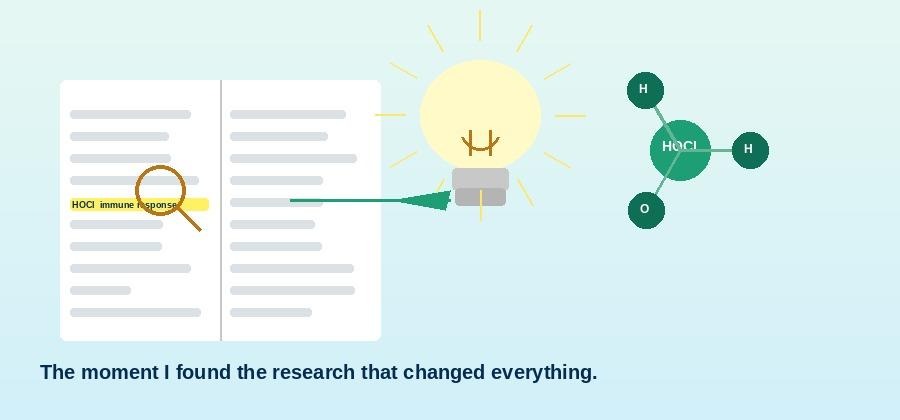
The research had been there all along. I just didn’t know where to look.

I was 26 when I finally got tired enough to stop.

Not tired of trying. Tired of the approach. Tired of the idea that my skin was a problem to be chemically suppressed rather than a system to be understood.

I started reading — not product reviews, not dermatology marketing, but actual immunology research. The kind of thing no one hands you in a 10-minute derm appointment.

And I kept finding the same molecule.

Hypochlorous acid. HOCl.

My first reaction was confusion. I’d never heard of it in the context of skincare. My second reaction, once I understood what it actually was, was something between relief and frustration.

“Why did no one tell me about this?”

HOCl is produced by your own white blood cells. Every time your immune system encounters bacteria, viruses, or infected tissue, it releases HOCl to neutralize the threat. It’s been doing this inside you your entire life. It’s one of the most powerful antimicrobial compounds in the human body — and simultaneously one of the most gentle, because it has to be. It has to be safe enough to exist inside you.

Your immune system has been making the perfect skincare ingredient since before you were born. We just hadn’t figured out how to put it in a bottle yet.

🧠  Chapter Four: Why It Works Differently For Acne, Rosacea, and Eczema

This isn’t a one-size-fits-all ingredient. It’s smarter than that.

One of the things I found most interesting about HOCl is that it doesn’t work the same way for every condition. It addresses each condition through a different mechanism — which is why it helps so many people with very different skin concerns.

For Acne:

Acne starts inside the pore, where C. acnes bacteria proliferates and triggers an inflammatory immune response. Most treatments try to address this from the outside, with varying success and significant collateral damage.

HOCl is electrically neutral, which means it can pass through bacterial cell membranes and disrupt function from the inside. It kills C. acnes directly — but unlike benzoyl peroxide, it doesn’t generate oxidative stress or wipe out your skin’s protective microbiome in the process. It’s targeted in the way that only your own immune system can be.

What makes HOCl different for acne:•  Neutralizes C. acnes at the source without creating antibiotic resistance•  Reduces the inflammatory response that causes the swelling and redness•  Leaves the surrounding healthy microbiome completely intact•  Gentle enough to use twice daily, even on active, inflamed breakouts•  No purging period. No photosensitivity. No oxidative stress.

For Rosacea:

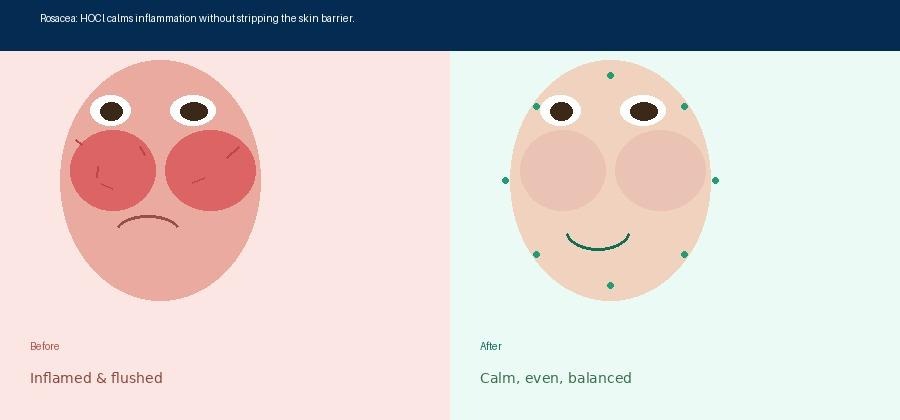
HOCl calms the inflammation cycle without triggering further sensitivity.

Rosacea is a chronic inflammatory condition that most people with rosacea know is almost impossible to fully control. Triggers are everywhere — sun, heat, alcohol, stress, spicy food. And the cruel irony of rosacea is that many of the treatments prescribed for it make your skin more sensitive over time, not less.

HOCl helps rosacea in a way that I find genuinely elegant. Research has shown that demodex mites — microscopic creatures that live on all human skin — are present in much higher numbers on rosacea-prone skin, and that they’re likely a significant driver of the inflammatory cascade. HOCl reduces demodex populations. It also calms the inflammatory cytokine response directly, without suppressing the immune system the way steroids do.

And because it’s pH-balanced to 5.5 — matching healthy skin — it doesn’t disrupt the acid mantle or cause the additional sensitivity that rosacea skin simply cannot tolerate.

For rosacea, the gentleness isn’t a compromise. It’s the point.•  Reduces demodex mite populations associated with rosacea flares•  Calms inflammatory cytokine response without immunosuppression•  pH 5.5 — exactly matched to healthy skin, so it never disrupts the acid mantle•  No stinging, burning, or photosensitivity•  Safe to use during an active flare when everything else is too harsh

For Eczema:

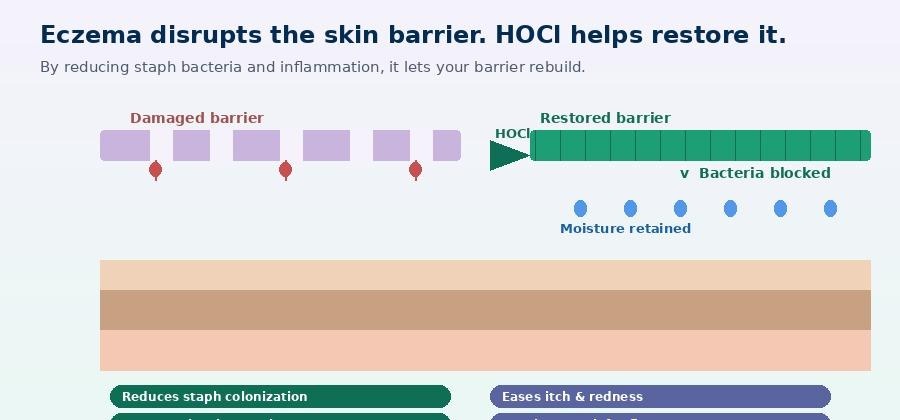
Eczema is a barrier disorder. HOCl helps by addressing the bacteria that break the barrier down.

Eczema is fundamentally a skin barrier failure — and one of its key drivers is Staphylococcus aureus colonization. People with eczema have dramatically elevated staph on their skin, and this bacterium actively fuels the itch-inflammation-scratch cycle that makes eczema so relentlessly miserable.

The conventional management of eczema often involves steroid creams. They work in the short term. But long-term steroid use thins the skin, which makes the barrier even more compromised — which leads to more flares — which leads to more steroids. It’s a loop.

HOCl interrupts the loop at the staph level. A 2018 study in JAMA Dermatology found that dilute bleach baths — which produce HOCl in water — significantly reduced eczema severity. Stabilized HOCl spray delivers the same antimicrobial benefit without the bleach, without the drying, and without anything left behind on the skin after it’s done its job.

HOCl and eczema — what the evidence shows:•  Significantly reduces Staphylococcus aureus colonization on affected skin•  Decreases itch severity and frequency during active flares•  Supports skin barrier recovery by reducing the inflammatory bacterial load•  Safe to use on broken, weeping, or infected eczema patches•  Compatible with emollients and can be used in children•  Breaks down to water and saline after use — nothing left behind on damaged skin

✨  Chapter Five: What Actually Changed

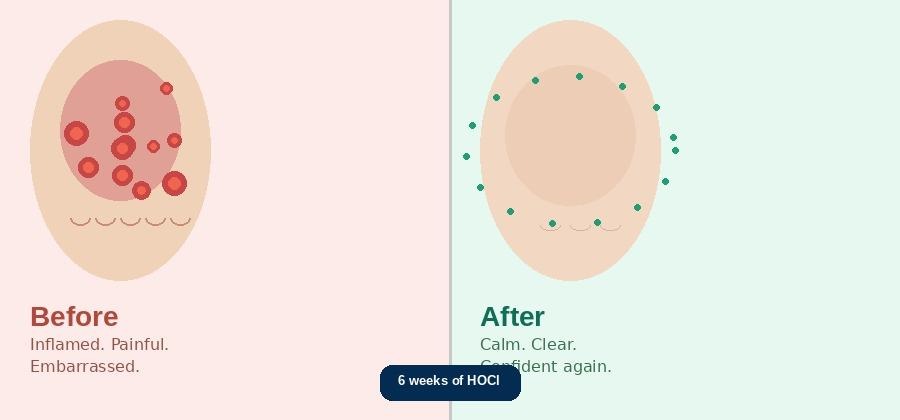
Six weeks. The same skin that hadn’t responded to anything in ten years.

I’m not going to tell you HOCl worked for me in three days. I’m going to tell you the truth.

The first week, I wasn’t sure anything was happening. The second week, I noticed I wasn’t waking up to new breakouts the way I always had. By the third week, the redness that had lived on my face for years — a permanent low-grade flush I had learned to stop noticing — started to quiet down.

By week six, my skin looked different. Not “Instagram filter” different. Just… like skin. Calm skin. The kind of skin I had forgotten I was supposed to have.

But the change that mattered most wasn’t the one I could see in the mirror.

It was that I stopped thinking about my skin as the enemy. I stopped treating it like a problem that needed to be chemically beaten into submission. I started understanding it as something with its own intelligence — something that, given the right support, knew what to do.

Ten years of fighting my skin. Six weeks of working with it. The difference was everything.

🌱  Chapter Six: What Your Skin Has Been Trying to Tell You

It never needed more aggression. It needed more intelligence.
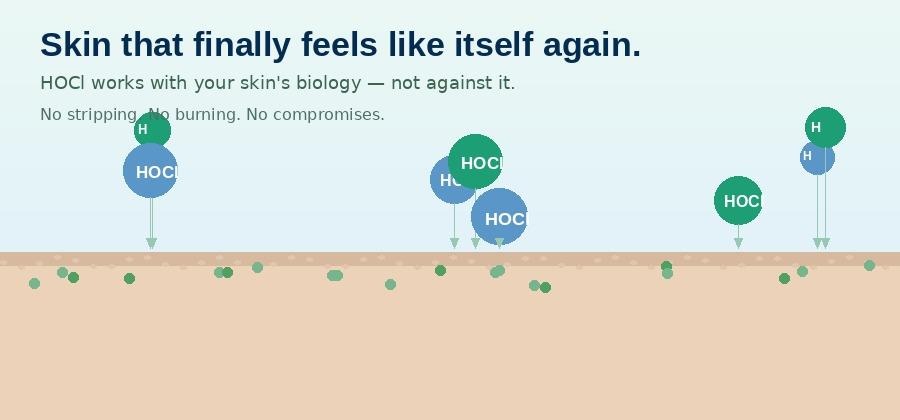
HOCl works with your skin’s own biology — then disappears, leaving nothing behind.

Your skin is not passive. It’s an active, intelligent system with its own microbiome, its own immune function, its own barrier chemistry. When it’s struggling — with acne, rosacea, eczema, or simple sensitivity — it’s not failing. It’s asking for something.

For most of us, what we’ve given it is more intervention. More acids. More actives. More prescription-strength compounds that force outcomes rather than support the system.

HOCl gives the skin something it can actually use — a molecule it already knows, already produces, already understands. And when it’s done, it breaks down into water and a trace of saline. It doesn’t leave residue. It doesn’t accumulate. It does its job and it’s gone.

That, to me, is what intelligent skincare actually looks like.

Not the most powerful thing you can put on your face. The most aligned thing you can put on your face.

If you’ve tried everything and nothing has worked,

maybe what you haven’t tried yet is working with your skin

instead of against it.

Try Curativa Bay HOCl SkincareFormulated for acne · rosacea · eczema · sensitive skinClinical-grade HOCl · EPA-approved · pH-balanced · Made in the USA · Since 2016www.curativabay.com

Copyright © 2026 Curativa Bay. All rights reserved.  |  This article reflects personal experience and educational research. It does not constitute medical advice. Consult a qualified healthcare provider for medical concerns.

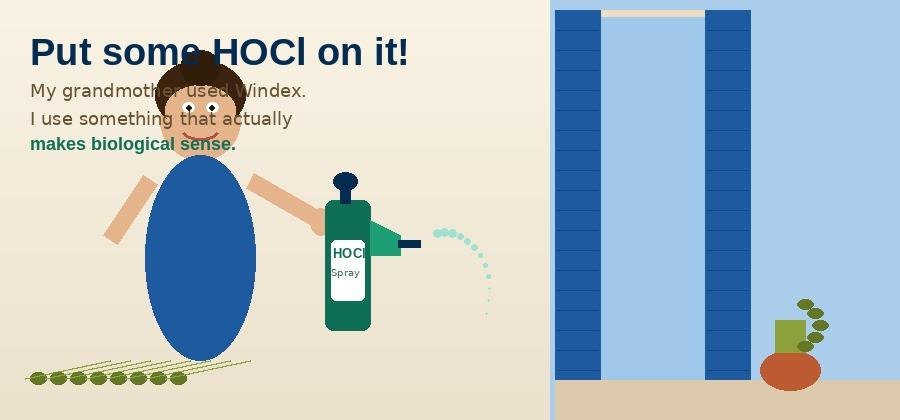
I’m the Girl from My Big Fat Greek Wedding. Except Instead of Windex, I Use HOCl. For Everything.

I’m the Girl from My Big Fat Greek Wedding. Except Instead of Windex, I Use HOCl. For Everything.

And yes, I mean everything. My family has questions. I have answers. They’re not always ready for the answers.
By Curativa Bay  ·  Real Life with HOCl

🏛️  If You’ve Seen the Movie, You Already Know My Family

There is a scene in My Big Fat Greek Wedding where the father, Gus Portokalos, reaches for a bottle of Windex to treat a skin condition on his future son-in-law’s neck. He sprays it on. He is completely confident. The family nods like this is perfectly normal medical practice.

I watched that movie and thought: that man is my people.

Not because I have a thing for Windex. I absolutely do not. But because I completely understand the energy of having One Thing that you believe in with your whole chest — a thing you reach for automatically, a thing you recommend to strangers, a thing your family has learned to accept as part of your personality even as they quietly wonder if you need help.

My thing is HOCl.

Hypochlorous acid. And if you haven’t heard of it yet, buckle up, because by the end of this post you will either be ordering a bottle or you will be gently suggesting I see someone. Either reaction is valid.

Gus Portokalos had Windex. I have HOCl. The difference is mine actually works — and there’s peer-reviewed research to prove it.

🤔  What Even Is HOCl and Why Am I Like This About It

Let me explain. No, there is too much. Let me sum up.

Hypochlorous acid is a molecule your own white blood cells make naturally every time your immune system detects a threat. Bacteria show up. Your body produces HOCl. The bacteria do not survive the meeting. This has been happening inside every human body on earth since we evolved an immune system.

What scientists figured out is that you can stabilize HOCl outside the body — in a bottle — and use it directly on skin, on surfaces, in the air, on food, on wounds, on pets, on basically anything that would benefit from the most intelligent antimicrobial compound in nature.

It kills 99.999% of bacteria, viruses, and fungi. It does this in seconds. And then it breaks down into water and a trace of saline and disappears completely. No residue. No fumes. No harsh chemicals. Nothing left behind except a very clean and very happy surface.

Me, reading this for the first time: “Wait. So it’s basically like having a tiny immune system in a spray bottle?”  The research: Yes. That’s actually exactly what it is.

That was the moment I was lost. Completely and permanently lost. I have not been the same since.

🍽️  The Family Dinner Where I Introduced HOCl to Everyone

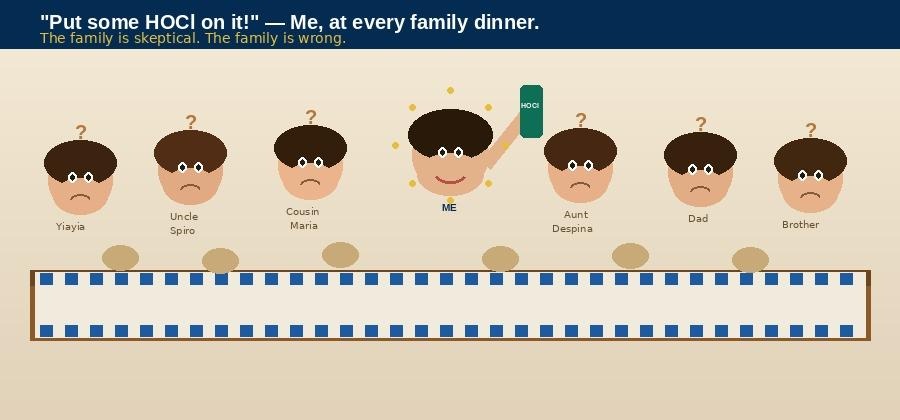
“I’m just saying, you should all have a bottle.” — Me, every single family gathering since 2022.

The first time I brought HOCl up at a family dinner, I was confident. I had done the research. I had the facts. I had a bottle in my bag, which in retrospect I should have left in the car.

My aunt had a scratch on her arm from the rosebush out front. I produced the bottle before she finished the sentence about needing a Band-Aid.

“Put some HOCl on it.”

She looked at me like I had suggested applying motor oil. My uncle asked if it was related to bleach (technically adjacent, functionally completely different, I explained this for twelve minutes). My grandmother asked if it was Greek. My mother told everyone I had “become very interested in chemicals lately” in the tone she usually reserves for explaining mildly embarrassing situations.

But here is the thing about being the HOCl person at the table:

The scratch healed beautifully. My aunt texted me three days later — grudgingly, in all lowercase, with zero punctuation — asking where she could get some.

You don’t convince people with a speech. You convince them with results. Then they text you three days later.

🧴  A Partial and Definitely Not Exhaustive List of Things I Have Sprayed HOCl On

Partial. Definitely partial.

If it exists within arm’s reach of a spray bottle, HOCl has probably been applied to it at least once.

In the spirit of full transparency, here is what an average week looks like when you are me:

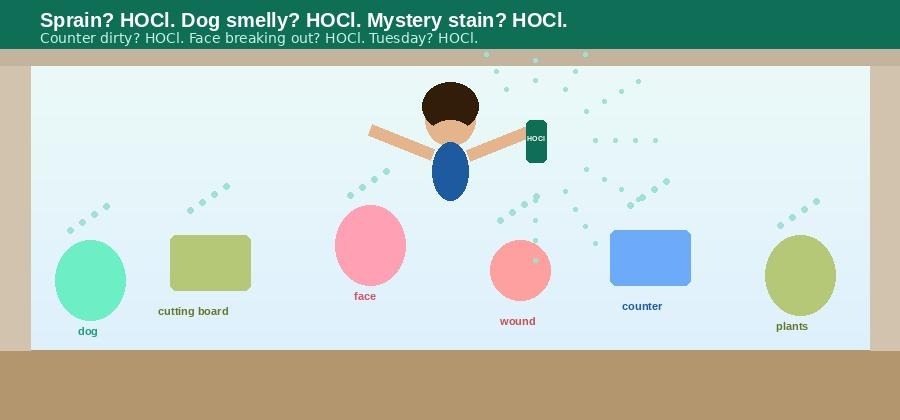
The HOCl Weekly Log (abridged):🔵  Monday: Sprayed the kitchen counters. Sprayed the cutting board before and after raw chicken. Sprayed my face after the gym. Sprayed the dog after the dog rolled in something we don’t speak of.🔵  Tuesday: Woke up with what threatened to be a breakout. Put some HOCl on it. It did not become a breakout.🔵  Wednesday: Friend had a minor cut. I reached into my bag. She said “please don’t.” I sprayed it anyway. She said “that actually doesn’t sting at all.” I said I know.🔵  Thursday: Produce wash. Sprayed the strawberries. Sprayed the apples. Looked at the avocado for a long time and decided it was fine.🔵  Friday: Family dinner. My rosacea-prone sister asked what I’d been using because my skin looked “annoyingly good.” I handed her a bottle.🔵  Saturday: Used it as a room mist. Guests asked what the smell was. I said “clean.” They accepted this.🔵  Sunday: Rest day. Only sprayed four things.

My friends have started to expect it. My family has accepted it. My dog is cleaner and frankly looks healthier. I have no regrets.

🔬  Okay But Is This Legit or Is This Just Windex with Better Marketing

This is where I put on my serious face for exactly one section.

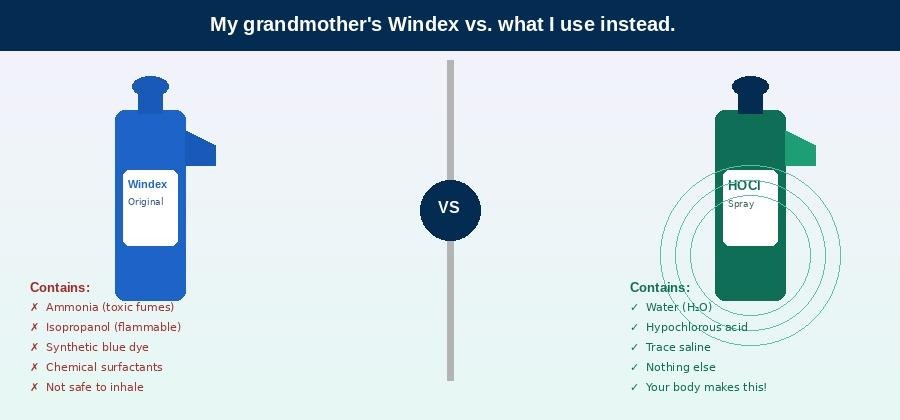
Left: Windex (not what Gus should have been using). Right: HOCl (what your immune system already trusts).

Look. I know I’ve been funny about this. But the reason I am the way I am about HOCl is not because someone told me to be. It’s because I went looking for the actual science, and the actual science is genuinely remarkable.

🔬  The actual science (for the skeptics in your family):HOCl is produced naturally by neutrophils — your white blood cells — as your body’s primary weapon against pathogens.•  Clinically proven to kill 99.999% of bacteria, viruses, and fungi, including MRSA, E. coli, and Staph aureus•  Up to 80–100 times more effective than bleach at equivalent concentrations•  pH-balanced to 5.5 — matched to healthy skin, so it doesn’t irritate or disrupt the acid mantle•  EPA-approved as a hospital-grade disinfectant•  FDA-cleared for wound care and eye care applications•  Breaks down into water and trace saline — zero toxic residue, zero harmful byproducts•  Safe enough to use around children, pets, food, and directly on open wounds•  Used in surgical settings, food processing, and pediatric wound care worldwide

So when my uncle asks if it’s “the same as bleach”: no. Bleach is sodium hypochlorite. It is toxic, it fumes, it requires gloves and ventilation, and it leaves behind chemical residue. HOCl is what your own body makes inside itself. You cannot use bleach on your face. You can use HOCl on your face twice a day.

Same word family. Completely different molecules. Completely different safety profiles. I have explained this at many dinners. I will explain it at many more.

✨  Every Single Thing It’s Actually Good For (The Real Version)

This is where HOCl and I really connect.

The reason I am so relentlessly enthusiastic about HOCl is not that I found one thing it was good for. It’s that I kept finding more things. Every time I thought I understood the full scope of it, I discovered another use case that made complete biological sense.

On your skin:•  Acne and active breakouts — neutralizes C. acnes bacteria without stripping your microbiome•  Rosacea flares — calms the inflammatory response and reduces demodex mite populations•  Eczema patches — reduces staph colonization that drives the itch-inflammation cycle•  Razor burn and ingrown hairs — antimicrobial without the sting•  Post-workout skin reset — gym equipment carries more bacteria than most people want to think about•  After swimming — neutralizes chlorine residue and rebalances skin pH•  General daily freshness — spray, let dry, done. No rinse needed.
In your home:•  Kitchen counters and cutting boards — food-safe, residue-free, kills what matters•  Produce wash — spray directly on fruits and vegetables, rinse or don’t•  Bathroom surfaces — no fumes, no gloves required, safe around children•  High-touch surfaces — doorknobs, light switches, phone screens, keyboards•  Garbage areas — eliminates odor at the source rather than masking it•  Air misting — yes, you can mist it in the air and breathe normally. Try that with Windex.
For your people and your pets:•  Minor cuts, scrapes, and skin irritation — FDA-cleared wound care•  Pet paws and skin — safe, gentle, effective on dogs and cats•  After-school or after-daycare wipedown for kids — no harsh chemicals near small humans•  Athletic gear and equipment — bags, shin guards, yoga mats•  Travel — one bottle that handles disinfection, skin care, and surface wiping on the go

🌿  In Which I Make Peace with Being the HOCl Person

There is a version of me that is embarrassed about this. That version has clearly lost.

Here is what I have decided about being the person who carries a spray bottle in their bag and uses it on at least three things before noon:

My grandmother put olive oil on everything. My grandfather carried fig leaves in his wallet because someone once told him they helped with something. Every generation has a thing. The thing my generation landed on is a molecule that your immune system invented millions of years ago, that has been rigorously studied and clinically validated, that is used in hospitals and wound care centers around the world, and that also makes your kitchen counter gleam without poisoning your family.

I could do worse.

Put some HOCl on it.  You’re welcome, everyone. You are so welcome.

P.S. My family has all started using it.

They deny this when I bring it up at dinner.

I have the receipts.

Ready to become the HOCl person in your family?Good. They’ll thank you in about three days.Clinical-grade HOCl  ·  EPA-approved  ·  FDA-cleared  ·  Made in the USA  ·  Since 2016www.curativabay.com

Copyright © 2026 Curativa Bay. All rights reserved.  |  For educational and entertainment purposes. Curativa Bay HOCl products are EPA-approved and FDA-cleared for the uses described.

The Moment I Realized Everything We Use to Clean Might Be Wrong

The Moment I Realized Everything We Use to Clean Might Be Wrong

By Curativa Bay  ·  HOCl Education Series

A few months ago, I found myself doing something I’ve done a thousand times—spraying down a surface, wiping it clean, and moving on.

But this time, something felt… off.

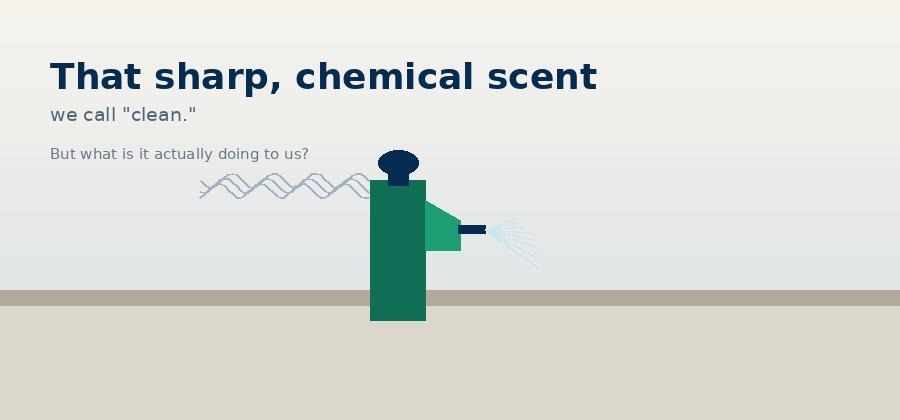
The smell lingered. That sharp, chemical scent we’ve all been conditioned to associate with “clean.” I paused for a second and thought—if this is strong enough to kill everything… what is it doing to me?

That question sent me down a path I didn’t expect.

💡  Discovering Something That Changed Everything

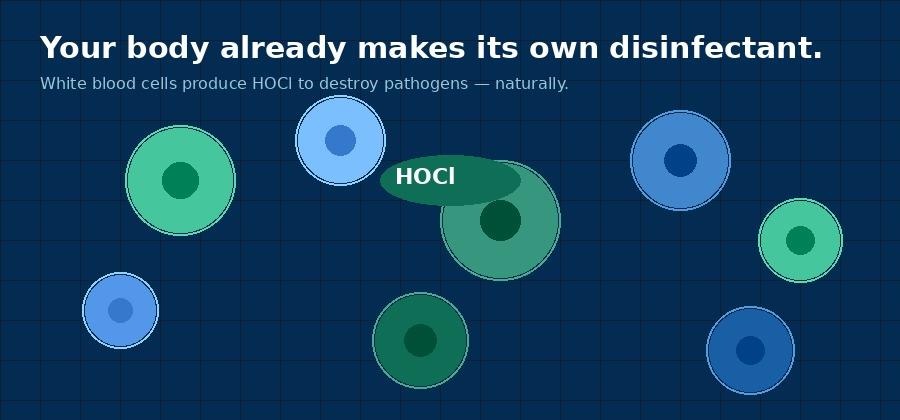
Your body already has its own disinfectant.

White blood cells naturally produce HOCl — a molecule your immune system has relied on for millions of years.

In the middle of researching disinfectants, I came across something I had never really thought about before.

It’s called hypochlorous acid (HOCl).

Every time your immune system fights off bacteria, viruses, or infection, your white blood cells produce HOCl to destroy those pathogens. It’s not synthetic. It’s not foreign. It’s something your body has trusted for millions of years.

And that was the moment everything clicked.

Wait… Why Aren’t We Using This Everywhere?

HOCl isn’t just effective—it’s exceptionally powerful.

As I dug deeper, what I found was honestly surprising.

It destroys pathogens in multiple ways at once:

•  Breaking down cell membranes

•  Disrupting DNA

•  Shutting down essential functions

And unlike traditional disinfectants, it doesn’t just sit on the surface—it penetrates and eliminates even the most stubborn threats like biofilms.

But here’s what really stopped me:

It does all of this at a fraction of the concentration required by things like bleach.
→ Up to 80–100x more effective. At far lower concentrations. Without the toxicity.

🌿  The Part That Didn’t Make Sense

If something this powerful exists… why are we still using products that:

•  Burn your lungs when you inhale them

•  Require gloves or protective gear

•  Leave behind chemical residue

•  Can’t even be used safely in the air around us

HOCl is different.

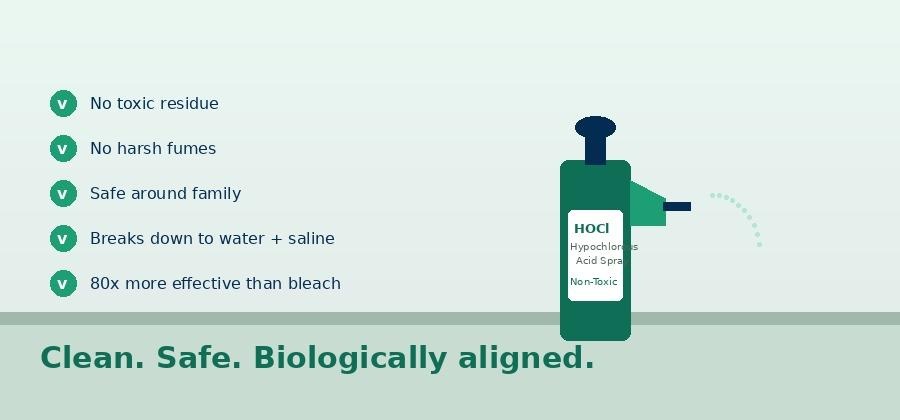
HOCl spray — hospital-grade disinfection that breaks down into water and saline after use.

It breaks down into water and a tiny amount of saline after it does its job.

No toxic residue. No lingering fumes. No trade-off between safety and effectiveness.

🏠  Seeing It in Real Life

The first time I saw HOCl used in a real environment, it wasn’t dramatic—it was simple.

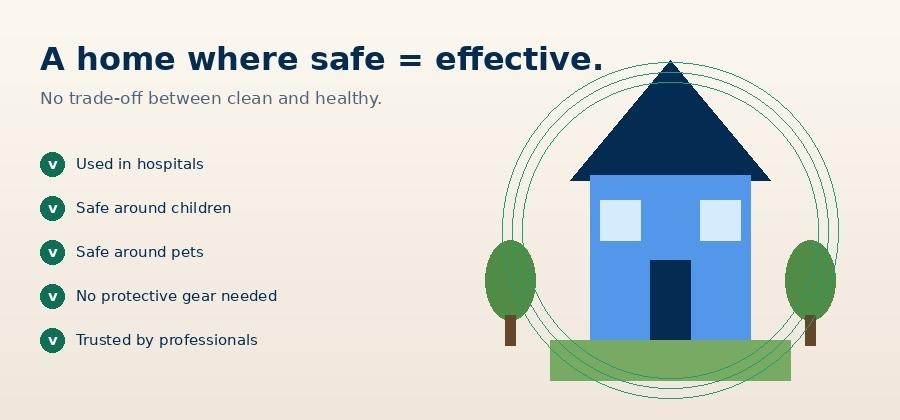
A home where effective doesn’t have to mean harsh.

A space was being disinfected… while people were still inside.

No one rushed out. No one put on masks. There was no harsh smell filling the room.

And yet, it was eliminating pathogens on surfaces, in the air, and in places traditional cleaners could never reach.

That’s when it hit me: we’ve been thinking about cleaning all wrong.

🔬  It’s Not Just “Cleaner”—It’s Smarter

What makes HOCl different isn’t just that it works. It’s how it works.

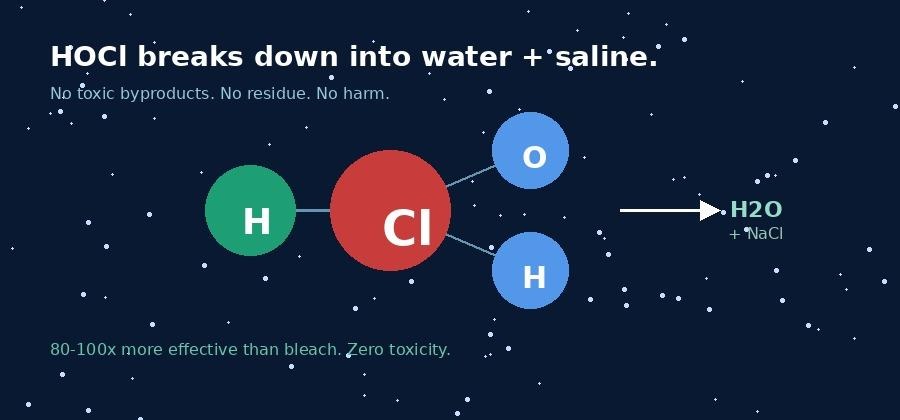
HOCl neutralizes pathogens from the inside — then breaks down harmlessly into water and saline.

Because it’s neutral in charge, it can move freely through membranes and break down pathogens from the inside. It’s been shown to be 80–100 times more effective than bleach in the right conditions, without the damage or toxicity.

It’s not about using something stronger.It’s about using something more aligned with how biology actually works.

🧠  A Shift in Perspective

At some point, I realized this wasn’t just about disinfectants.

It was about a bigger shift:

From harsh  →  to  intelligent

From toxic  →  to  safe

From reactive  →  to  biologically aligned

✨  The Future Feels Different

Now, every time I pick up a cleaning product, I think differently.

I’m not just asking: “Will this kill germs?”

I’m asking: “Is this something I actually want in my environment… around my family… on my skin?”

For the first time, it feels like we don’t have to choose between what works and what’s safe.

💭  Final Thought

Sometimes the best solutions aren’t the newest ones.

They’re the ones that have been there all along—

working quietly, effectively, inside us.

And once you see that…

you can’t unsee it.

Explore HOCl Products from Curativa BayClinical-grade HOCl  ·  EPA-approved  ·  Made in the USA  ·  Since 2016www.curativabay.com

Copyright © 2026 Curativa Bay. All rights reserved.  |  This article is for educational purposes only.

Why Hypochlorous Acid Is Transforming Wound Care

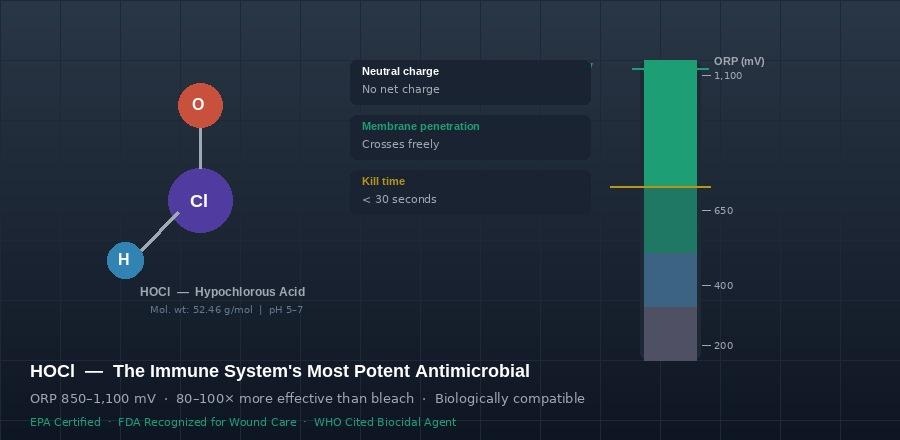
HOCl molecular structure and oxidation-reduction potential (ORP) — operating at 850–1,100 mV, far exceeding the 650 mV microbial kill threshold

Why Hypochlorous Acid Is Transforming Wound Care

The science behind HOCl’s ability to eliminate pathogens, protect healthy tissue, and actively support the biology of healing — explained for everyone.

Curativa Bay Clinical Science Series  ·  EPA Certified  ·  FDA Recognized  ·  WHO Cited

THE SCIENCE

Your Immune System Already Makes This

Hypochlorous acid (HOCl) is not a new invention. It is a molecule your own body produces every time it encounters a threat.

When bacteria or viruses enter the body, white blood cells called neutrophils respond immediately. Through a process called the myeloperoxidase pathway, these cells generate HOCl on-site — deploying it directly against the pathogen. This has been happening inside every human body since our immune systems evolved.

What scientists have spent decades learning to do is stabilize HOCl outside the body — in a form pure and consistent enough to be used clinically. The result is a wound care agent that works with the body’s own biology rather than against it, in a way no synthetic antiseptic can replicate.

H₂O₂ + Cl⁻  →  HOCl + H₂OMyeloperoxidase pathway — the neutrophil oxidative burst that generates HOCl during innate immune defense

The chemistry matters because it explains everything else. HOCl is a neutral, protonated molecule. That neutrality gives it a property no other common antiseptic has: it can pass freely through microbial cell membranes, reaching its targets from the inside. Bleach (sodium hypochlorite) cannot do this — its negatively charged hypochlorite ion is repelled by the same charge on cell membranes, which is why HOCl is up to 80–100 times more antimicrobially effective at equivalent concentrations.

HOCl does not merely disinfect surfaces. It penetrates microbial cells, disrupts their fundamental biology, and destroys them from within — just as your immune system intended.
850–1,100 mVOperating ORP — far above 650 mV kill threshold80–100×More antimicrobial than bleach at neutral pH< 30 secPathogen kill time across bacteria, viruses, fungi

UNDERSTANDING ORP

Oxidation-Reduction Potential: The Measure That Actually Matters

You may have seen ORP mentioned on the Curativa Bay label and wondered what it means. Here is the plain-language version.

Oxidation-reduction potential (ORP) is a measurement — in millivolts — of how powerfully a solution can oxidize, meaning how aggressively it can strip electrons from other molecules. Microbial cells are vulnerable to oxidation. When a solution with high enough ORP contacts a pathogen, it essentially dismantles the pathogen’s cell structures at the chemical level.

The threshold for reliable microbial inactivation is approximately 650 mV. Chlorinated tap water sits around that level. Stabilized HOCl operates at 850–1,100 mV — substantially and consistently above the kill threshold. This is why HOCl achieves pathogen inactivation in under 30 seconds across bacteria, viruses, fungi, and even bacterial spores.

Why conventional solutions fall short at the ORP level:•  Drinking water: 200–400 mV — insufficient for reliable microbial inactivation•  Seawater: ~400 mV — antimicrobially limited•  Chlorinated water: ~650 mV — at the lower edge of the kill threshold•  Stabilized HOCl: 850–1,100 mV — consistently, substantially above threshold

But high ORP alone would not make HOCl special. Many chemical oxidizers have high ORP. What makes HOCl clinically significant is that it achieves this oxidizing power while remaining non-toxic to human tissue. Bleach is cytotoxic at wound concentrations. Hydrogen peroxide damages fibroblasts — the very cells that build new tissue. Chlorhexidine inhibits the cellular migration needed for wound closure. HOCl does none of these things.

The critical insight is not just that HOCl kills pathogens effectively. It is that it does so without damaging the tissue that needs to heal.

MECHANISMS OF ACTION

Four Ways HOCl Destroys Pathogens

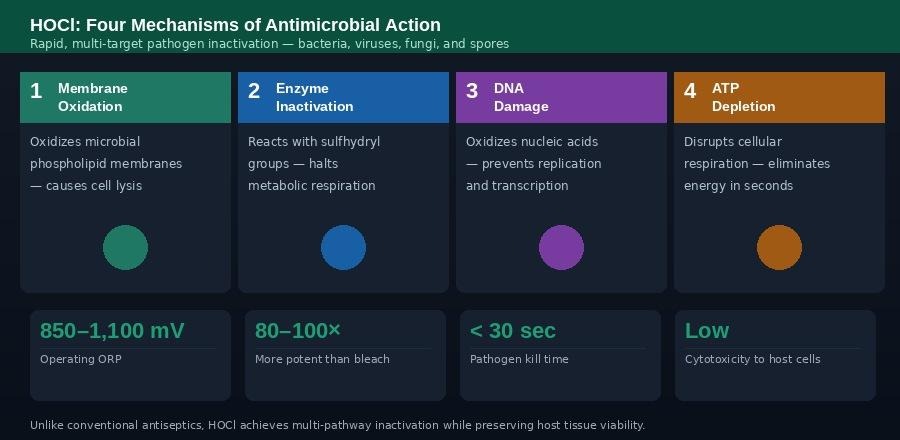
HOCl operates through four simultaneous oxidative pathways — producing rapid, multi-target pathogen inactivation that prevents resistance development.

One of the reasons HOCl is so effective — and why pathogens cannot easily develop resistance to it — is that it does not rely on a single mechanism. It attacks through four distinct oxidative pathways simultaneously.

1. Membrane Oxidation

The outer membrane of a bacterial cell is made of phospholipids — a bilayer of fatty molecules that acts as the cell’s protective boundary. HOCl oxidizes these phospholipids directly, disrupting the membrane’s structural integrity. Once the membrane is compromised, the cell loses its ability to regulate what enters and exits, and it rapidly lyses — essentially bursting from osmotic pressure.

2. Enzyme Inactivation

Inside the microbial cell, enzymes drive every metabolic process: energy production, respiration, protein synthesis. Many of these enzymes contain sulfhydryl groups — chemical bonds that HOCl reacts with immediately upon contact. When these bonds are disrupted, the enzyme stops functioning. The cell can no longer carry out basic metabolic activity and effectively shuts down.

3. DNA Damage

HOCl oxidizes the nucleic acids that make up microbial DNA. When the DNA is damaged in this way, the cell loses the ability to replicate or transcribe genetic information. Even if a pathogen somehow survived the membrane and enzyme attacks, it cannot reproduce — ending its ability to sustain or spread infection.

4. ATP Depletion

ATP (adenosine triphosphate) is the fundamental energy currency of all living cells. HOCl’s oxidative disruption of the cellular respiration pathways eliminates the cell’s ability to produce ATP within seconds. Without energy, every process the cell depends on stops. This pathway works in concert with the others, ensuring that inactivation is rapid and complete.

The result of four simultaneous pathways:•  Complete pathogen inactivation in under 30 seconds•  Effective against bacteria, viruses, fungi, and spores•  Disrupts even Staphylococcus aureus and Pseudomonas aeruginosa biofilms•  No documented development of resistance — unlike antibiotic-based approaches•  Multi-target action makes it effective against antibiotic-resistant organisms

COMPARATIVE ANALYSIS

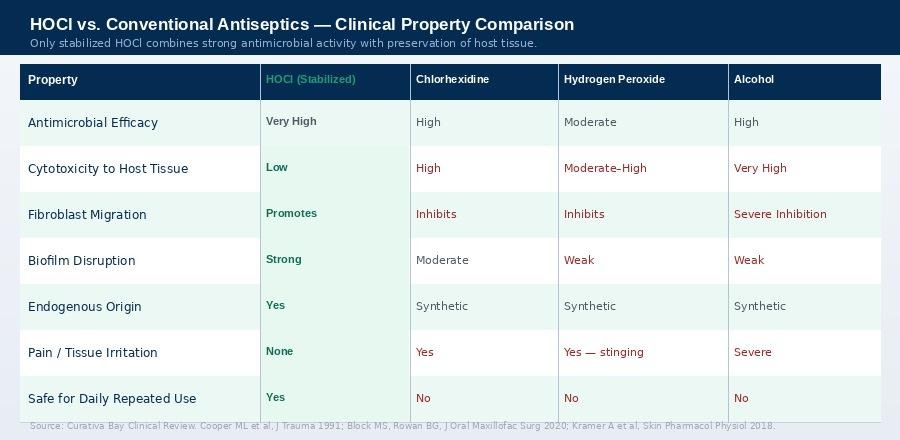
HOCl vs. Conventional Antiseptics

Clinical property comparison: HOCl (stabilized) versus chlorhexidine, hydrogen peroxide, and alcohol. Source: Curativa Bay Clinical Review; Cooper ML et al., J Trauma 1991; Kramer A et al., Skin Pharmacol Physiol 2018.

The comparison above reflects a fundamental tension in wound care that has existed for decades: the most effective antimicrobial agents tend to be the most harmful to host tissue. Alcohol is highly effective — it is also cytotoxic in a way that severely inhibits fibroblast migration and tissue repair. Hydrogen peroxide kills bacteria and also damages the healthy cells trying to heal the wound.

Chlorhexidine, one of the most widely used antiseptics globally, presents the same problem. It has strong antimicrobial activity and it inhibits fibroblast migration — meaning it actively impairs the cellular process by which wounds close. Studies have shown it to be cytotoxic to the keratinocytes and endothelial cells that healthy wound healing depends on.

Stabilized HOCl is the only agent in this comparison that achieves high antimicrobial efficacy while simultaneously promoting — not merely tolerating, but actively promoting — fibroblast migration and the cellular processes required for tissue regeneration.

Conventional antiseptics were designed for sterilization, not regeneration. HOCl is the first clinically validated agent that achieves both in the same molecule.

HEALING BIOLOGY

Supporting the Cellular Machinery of Wound Repair

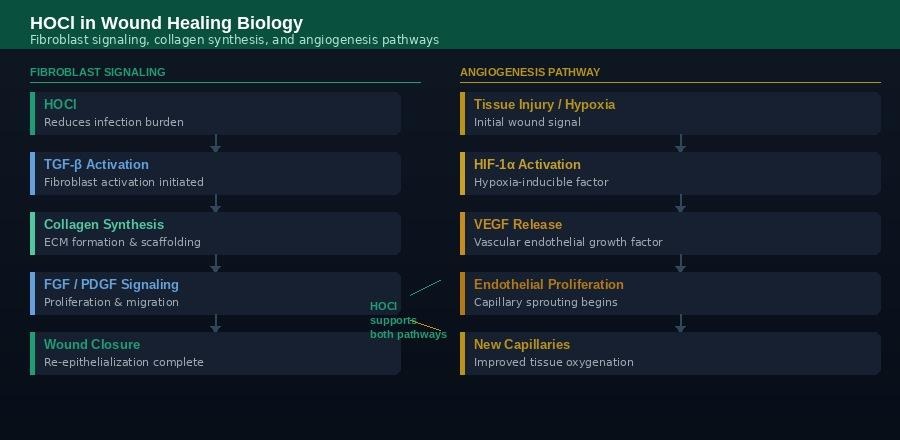
HOCl supports both fibroblast signaling pathways (collagen synthesis and wound closure) and angiogenesis (new blood vessel formation) — the two critical cellular tracks required for tissue regeneration.

Understanding why HOCl helps wounds heal requires a brief look at what wound healing actually involves at the cellular level. It is not simply a matter of keeping an area clean — healing is an active, highly coordinated biological process involving multiple cell types, signaling molecules, and vascular events.

Fibroblast Signaling: Building New Tissue

Fibroblasts are the cells responsible for synthesizing collagen, elastin, and the extracellular matrix proteins that give new tissue its structure and strength. Their activity is governed by a cascade of growth factor signals: TGF-β activates fibroblasts and initiates collagen synthesis; FGF drives proliferation and tissue expansion; PDGF guides migration into the wound bed to support closure.

Conventional antiseptics — particularly povidone-iodine, chlorhexidine, and hydrogen peroxide — disrupt these signaling pathways and inhibit fibroblast viability and migration. Stabilized HOCl, in dose-dependent studies, has been shown to preserve fibroblast viability across all three signaling pathways. It reduces the infection burden that would otherwise impair these pathways without causing the collateral damage that conventional agents produce.

Angiogenesis: Growing the Blood Supply

A wound cannot heal without adequate blood supply. New capillary growth — angiogenesis — is essential for delivering oxygen and nutrients to healing tissue. The process begins when tissue injury and hypoxia activate HIF-1α (hypoxia-inducible factor), which triggers VEGF (vascular endothelial growth factor) release. VEGF drives endothelial cell proliferation and capillary sprouting into the wound bed.

High bacterial load and biofilm presence suppress angiogenesis by maintaining a chronic inflammatory state that prevents the signal cascade from completing. HOCl supports angiogenesis by eliminating this suppressive microbial burden, modulating NF-κB inflammatory signaling, and maintaining the endothelial cell function required for capillary sprouting. Clinical evidence shows improved granulation tissue formation and vascularization in HOCl-treated wounds compared to controls.

BIOFILM DISRUPTION

The Hidden Enemy in Chronic Wounds

Biofilms are among the most significant barriers to wound healing that clinicians encounter, particularly in chronic wounds. A biofilm is a structured community of microorganisms — often including multiple species — encased in a self-produced matrix of polysaccharides, proteins, and DNA. This matrix functions as a physical shield that dramatically reduces the penetration and effectiveness of most conventional antibiotics and antiseptics.

Estimates suggest that biofilms are present in more than 60% of chronic wounds. Staphylococcus aureus and Pseudomonas aeruginosa are among the most common biofilm-forming organisms in clinical wound settings. Standard antibiotics may require concentrations 100 to 1,000 times higher than normal minimum inhibitory concentrations to penetrate established biofilm matrix.

HOCl disrupts biofilm through its high ORP activity, which oxidizes the polysaccharide matrix itself — not merely the organisms inside it. Laboratory studies published in Scientific Reports (Kiamco et al., 2019) demonstrated that HOCl-generating scaffolds eradicated established bacterial biofilms, including mature biofilms that had resisted conventional antiseptic treatment.

HOCl and biofilm: what the evidence shows:•  Oxidizes and degrades the extracellular polysaccharide matrix•  Eliminates multi-species biofilms including MRSA and Pseudomonas aeruginosa•  Does not create the conditions for biofilm re-establishment (no chemical residue)•  Compatible with biofilm debridement protocols as an irrigation agent

CLINICAL EVIDENCE

What the Research Demonstrates Across Wound Types

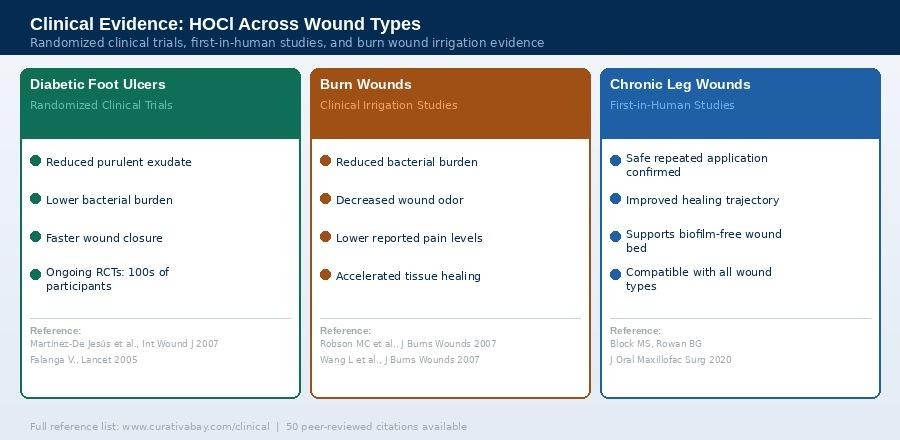
HOCl clinical evidence spans diabetic foot ulcers (randomized controlled trials), burn wounds (irrigation studies), and chronic leg wounds (first-in-human studies). Reference list: www.curativabay.com/clinical

The clinical case for HOCl in wound care is not built on a single study. It rests on a growing body of evidence across wound types, patient populations, and clinical settings — with 50 peer-reviewed references supporting the Curativa Bay clinical review.

Diabetic Foot Ulcers

Diabetic foot ulcers represent one of the most challenging wound types in clinical practice. Impaired immune function, peripheral neuropathy, and microvascular disease create conditions where infection is difficult to control and healing is chronically delayed. Randomized clinical trials evaluating HOCl in diabetic foot ulcer management have demonstrated statistically significant improvements in infection control outcomes, reductions in purulent exudate, lower bacterial burden on wound surfaces, and faster rates of wound closure compared to conventional antiseptic regimens. Multiple ongoing randomized controlled trials are currently enrolling hundreds of participants specifically to evaluate HOCl outcomes in this population.

Burn Wound Irrigation

Burn wounds present a different challenge: the wound surface is large, the risk of colonization is high, and the tissue environment is acutely fragile. Clinical studies evaluating HOCl as a burn wound irrigation agent have consistently shown meaningful advantages over conventional antiseptics, including reductions in bacterial burden, decreased wound odor (a marker of anaerobic bacterial activity), lower reported pain levels during irrigation — a clinically significant advantage given that conventional antiseptics often cause significant stinging and discomfort — and accelerated tissue healing rates.

Chronic Leg Wounds

First-in-human clinical studies evaluating HOCl in chronic leg wounds — including venous leg ulcers — confirmed safe repeated application and demonstrated beneficial effects on healing trajectories. Wound bed preparation improved, with evidence of reduced biofilm burden and improved granulation tissue formation. Researchers noted that HOCl was compatible with all wound types evaluated and produced no adverse tissue reactions across the patient population studied.

CONCLUSION

A Paradigm Shift in Wound Care

The history of wound antisepsis has been a story of trade-offs. Every conventional agent available has provided some benefit while also creating some harm to the tissue environment it is supposed to support. The clinical consensus has tolerated this trade-off because there was no alternative.

Stabilized HOCl changes that calculus. It is the only clinically validated wound care agent that combines high oxidation-reduction potential antimicrobial activity with active support for the biological processes required for tissue regeneration: fibroblast signaling, angiogenesis, matrix formation, and re-epithelialization.

It does this because it is not a foreign chemical introduced to the body. It is a molecule the body already produces, already understands, and already uses as its first response to tissue injury and infection. Stabilizing it for external clinical use is not a subversion of biology. It is an extension of it.

No conventional antiseptic achieves what stabilized HOCl achieves: strong antimicrobial activity, biofilm disruption, and active support for the cellular biology of healing — simultaneously, in the same molecule.
🦠Rapidly eliminates pathogens across all classes🔬Disrupts biofilm at the matrix level🧫Preserves fibroblast viability and migrationAccelerates wound closure and re-epithelialization

Key References (Selected from 50 Cited)

1.  Winter GD. Formation of scab and epithelialization. Nature. 1962;193:293.

2.  Robson MC, et al. Hypochlorous acid as wound care agent: Part II. J Burns Wounds. 2007;6:e6.

3.  Wang L, et al. Hypochlorous acid as wound care agent: Part I. J Burns Wounds. 2007;6:e5.

4.  Winterbourn CC, Kettle AJ. Redox reactions in neutrophil phagosome. Antioxid Redox Signal. 2013;18:642.

5.  Cooper ML, et al. Cytotoxic effects of topical antimicrobial agents on fibroblasts. J Trauma. 1991;31:775.

6.  Kiamco MM, et al. HOCl-generating scaffold eradicates bacterial biofilms. Sci Rep. 2019;9:2683.

7.  Block MS, Rowan BG. Hypochlorous acid: a review. J Oral Maxillofac Surg. 2020;78:1461.

8.  Martínez-De Jesús FR, et al. Efficacy of super-oxidized solution in diabetic foot. Int Wound J. 2007;4:353.

9.  Barrientos S, et al. Growth factors in wound healing. Wound Repair Regen. 2008;16:585.

10.  Kramer A, et al. Consensus on wound antisepsis. Skin Pharmacol Physiol. 2018;31:28.

Full reference list: www.curativabay.com/clinical

Curativa Bay HOCl Wound CareClinical-grade stabilized HOCl  ·  EPA Certified  ·  FDA Recognized  ·  WHO CitedORP 850–1,100 mV  ·  80–100× more effective than bleach  ·  Made in the USA  ·  Since 2016www.curativabay.com  ·  www.curacleantech.com

Copyright © 2026 Curativa Bay, Inc. · Curaclean Technologies. All rights reserved. This article is for educational purposes. It is not intended as medical advice. Consult a qualified healthcare provider for clinical wound management.

Hypochlorous Acid vs Bleach: What’s the Difference and Why It Matters for Skin and Home Use

When people first hear about hypochlorous acid (HOCl), the most common reaction is:
“Isn’t that just bleach?”

It’s a fair question. Both are chlorine-based compounds, both are used to support cleanliness, and both have a faint chlorine-like scent. But chemically, functionally, and practically, hypochlorous acid and bleach are very different substances.

Understanding the difference can help you make safer, smarter choices for your skin, your home, and your daily routine.

What Is Bleach?

Bleach, commonly known as sodium hypochlorite, is a highly alkaline chemical used primarily for industrial and household disinfection. It is effective, but also harsh.

Typical characteristics of bleach include:

  • Very high pH (highly alkaline)
  • Strong, lingering odor
  • Corrosive to skin, fabrics, and surfaces
  • Requires dilution and protective handling

Because of its strength, bleach is not suitable for direct skin application and can disrupt surfaces and materials over time.

What Is Hypochlorous Acid (HOCl)?

Hypochlorous acid is a weak acid that exists naturally in the human body. White blood cells produce HOCl as part of the immune system’s natural response to everyday exposure.

For topical and surface use, HOCl is created through an electrolysis process using purified water and salt. When properly stabilized, it closely mirrors the HOCl your body already recognizes.

Key characteristics of hypochlorous acid include:

  • Skin-compatible pH when formulated correctly
  • Fast-acting but gentle
  • Leaves no residue
  • Breaks down naturally into salt and water

This is why HOCl is used in medical, dermatology, and wellness environments where both effectiveness and gentleness matter.

Why Hypochlorous Acid Is Not Bleach

Although bleach and hypochlorous acid are related chemically, the differences are significant.

HOCl vs Bleach

FeatureHypochlorous Acid (HOCl)Bleach
pHSkin-compatibleHighly alkaline
Skin useSuitable when formulated for skinNot suitable
ResidueNoneCan leave residue
OdorMild, briefStrong, lingering
BreakdownSalt and waterChemical byproducts

In simple terms, bleach is aggressive and stripping. Hypochlorous acid is supportive and balanced.

Why Hypochlorous Acid Is Used on Skin but Bleach Is Not

Skin has a delicate barrier designed to protect against dehydration and irritation. Products that disrupt this barrier can lead to dryness, redness, and discomfort over time.

Hypochlorous acid supports skin in a fundamentally different way:

  • It works on the surface without stripping oils
  • It does not rely on alcohol or surfactants
  • It aligns with the skin’s natural chemistry

This makes HOCl suitable for frequent use, even on sensitive or reactive skin types.

What About the Chlorine Smell?

One of the most common questions is about scent.

Hypochlorous acid may have a faint, clean scent immediately after application. This is normal and dissipates quickly. It does not behave like bleach, does not linger, and does not transfer to clothing or hair.

The brief scent is simply a sign of an active chlorine compound, not an indicator of harshness.

Why More People Are Switching from Bleach to HOCl-Based Products

As consumers become more ingredient-aware, many are seeking alternatives that are effective without being aggressive.

Hypochlorous acid is gaining popularity because it:

  • Reduces reliance on harsh chemicals
  • Is suitable for skin, surfaces, and air-adjacent use when formulated appropriately
  • Simplifies routines with multi-use versatility
  • Fits modern wellness and skin-barrier-focused philosophies

It is not about replacing bleach in industrial settings, but about offering a safer, gentler option for everyday environments.

When Bleach Still Makes Sense

Bleach still has a place in heavy-duty, industrial, or emergency sanitation scenarios. It is powerful and effective when used correctly.

But for daily skin care, frequent surface refreshing, or environments involving children, pets, or sensitive skin, hypochlorous acid offers a more balanced alternative.

Final Takeaway

Hypochlorous acid and bleach may sound similar, but they serve very different purposes.

Bleach is harsh, corrosive, and meant for limited use.
Hypochlorous acid is biologically familiar, skin-compatible, and designed for frequent, everyday support.

Understanding the difference helps you choose products that work with your body and environment, not against them.

Hypochlorous Acid for Skin: What It Is, How It Works, and Why Dermatologists Trust It

Hypochlorous acid (HOCl) is quickly becoming one of the most talked-about ingredients in modern skincare. Once reserved for medical and clinical environments, this naturally occurring molecule is now gaining attention for its ability to support clean, calm, and balanced skin without harsh chemicals.

But what exactly is hypochlorous acid, how does it work on skin, and why are so many professionals incorporating it into daily routines?

This guide breaks it all down in simple, science-backed terms.

What Is Hypochlorous Acid (HOCl)?

Unlike traditional skincare actives that exfoliate, strip, or aggressively target the skin, hypochlorous acid works in a more supportive way.

On the skin’s surface, HOCl helps:

  • Maintain a clean skin environment
  • Support the skin’s natural barrier
  • Reduce visible signs of irritation
  • Promote overall skin comfort and balance

Because it functions similarly to what the body already produces, hypochlorous acid is well tolerated by most skin types, including sensitive or reactive skin.

Why Hypochlorous Acid Is Different from Alcohol or Harsh Cleansers

Many traditional sprays and toners rely on alcohol or strong surfactants to create a “clean” feeling. While effective short-term, these ingredients can disrupt the skin barrier over time.

Hypochlorous acid is different.

  • It is alcohol-free
  • It does not sting or burn when properly formulated
  • It leaves no residue
  • It does not dry out the skin

This makes HOCl particularly appealing for daily use, post-workout care, post-procedure routines, and environments where skin needs frequent refreshing.

Is Hypochlorous Acid Safe for Sensitive Skin?

When formulated at skin-appropriate concentrations and pH levels, hypochlorous acid is widely regarded as gentle enough for everyday skincare use.

Many dermatology clinics, aesthetic practices, and wellness professionals use HOCl-based products as part of routine skin maintenance because they are:

  • Non-irritating
  • Free from synthetic fragrance
  • Suitable for frequent application

As with any skincare product, individual sensitivities vary. Patch testing is always recommended before full use.

Common Ways People Use Hypochlorous Acid in Skincare

Hypochlorous acid is incredibly versatile, which is why it appears in many modern routines.

Common uses include:

  • As a facial mist after cleansing
  • To refresh skin after workouts or sweating
  • Following shaving or waxing
  • During travel or environmental exposure
  • As a gentle step before serums and moisturizers

Because HOCl absorbs quickly and requires no rinsing, it layers easily with other skincare products.

Does Hypochlorous Acid Smell Like Chlorine?

Some people notice a faint, clean scent immediately after application. This is normal and dissipates within seconds.

It is not bleach, does not linger, and does not leave a chemical odor on the skin or clothing.

Why Hypochlorous Acid Is Trending in Modern Skincare

Hypochlorous acid sits at the intersection of science and skin biology. As consumers become more ingredient-aware and move away from harsh formulations, HOCl offers a compelling alternative.

Its rise in popularity is driven by:

  • Increased focus on skin barrier health
  • Demand for gentle, daily-use products
  • Minimalist ingredient lists
  • Multi-use skincare solutions

In short, HOCl fits perfectly into the future of skin health.

Final Takeaway

Hypochlorous acid is not a trend ingredient. It is a biologically familiar molecule that supports skin comfort, cleanliness, and balance in a way few other ingredients can.

For those looking to simplify their routine without sacrificing performance, hypochlorous acid offers a science-backed, skin-friendly solution that works with the body, not against it.

What Is Hypochlorous Acid (HOCl)? Uses, Safety, and Why It’s Gaining Attention

Hypochlorous acid, commonly known as HOCl, is increasingly searched across skincare, wellness, food safety, and home care — and for good reason. It’s a gentle yet effective solution that aligns with how the body naturally works, without relying on harsh chemicals.

In this guide, we’ll explain what hypochlorous acid is, how it’s used, why it’s considered safe, and why it’s becoming a trusted choice in modern, non-toxic living.

What Is Hypochlorous Acid?

Hypochlorous acid (HOCl) is a naturally occurring molecule produced by white blood cells as part of the body’s normal defense process. Outside the body, HOCl can also be safely created using salt, water, and electricity, resulting in a clean, stabilized solution.

Because the body already recognizes HOCl, it is widely regarded as skin-compatible and suitable for use in sensitive environments when properly formulated.

Why Is HOCl Used So Widely?

HOCl has been studied and used for decades in medical, food processing, and environmental applications. Today, it’s commonly found in:

  • Skin sprays and facial mists
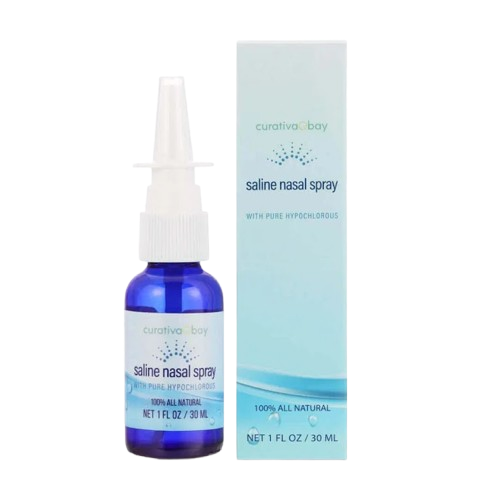
  • Nasal cleansing sprays
  • Food-safe antimicrobial solutions
  • Household and institutional surface cleaners
  • Pet and veterinary care products

Its versatility comes from its ability to support cleanliness while remaining residue-free and gentle.

How Does Hypochlorous Acid Work?

HOCl works at the surface level, where it helps reduce unwanted microbes and environmental stressors without disrupting delicate tissues. Unlike alcohol or bleach-based solutions, properly formulated HOCl does not rely on harsh chemical reactions.

Because HOCl naturally breaks down into simple saltwater after use, it leaves no lingering residue, fumes, or irritation when used as directed.

Is Hypochlorous Acid Safe?

When stabilized and used appropriately, hypochlorous acid is widely considered safe for:

  • All skin types
  • Children and pets
  • Food-contact surfaces
  • Frequent, everyday use

Most HOCl solutions are:

  • Non-toxic
  • Fragrance-free
  • Alcohol-free
  • Gentle on sensitive areas

Depending on formulation and intended use, HOCl products may also be EPA-approved,  or OMRI-listed, adding another layer of trust.

Hypochlorous Acid for Skin Care

In skincare, HOCl is valued for supporting a clean, calm, and balanced skin environment. Many people incorporate HOCl sprays into their routines to:

  • Help calm the appearance of redness
  • Support skin comfort after environmental exposure or exercise
  • Cleanse skin without stripping or stinging
  • Maintain balance for blemish-prone or sensitive skin

Because it’s gentle, HOCl is often suitable for use multiple times per day.

Hypochlorous Acid for Nasal Care

Low-concentration HOCl solutions combined with saline are used in nasal cleansing sprays designed for comfort and routine use.

These products are commonly used to:

  • Help rinse airborne particles
  • Support hydration in dry environments
  • Maintain nasal comfort during travel or seasonal changes

They are designed to be mild, soothing, and non-irritating when used as directed.

Hypochlorous Acid for Food Safety

HOCl is widely used in food safety settings because it helps reduce surface contaminants without altering taste, smell, or texture.

Food-safe HOCl solutions are commonly applied to:

  • Fruits and vegetables
  • Seafood Cutting
  • boards and food prep surfaces

Unlike soap or detergent-based methods, HOCl does not require rinsing and naturally degrades into saltwater.

Hypochlorous Acid vs Traditional Cleaners

FeatureHOClBleachAlcohol
Non-toxic (when used as directed)YesNoNo
Skin-compatibleYesNoDrying
Strong fumesNoYesYes
ResidueNoneOftenOften
Suitable for frequent useYesNoLimited


This balance of effectiveness and gentleness is why HOCl is increasingly chosen as a modern alternative to harsher chemicals.

Why Hypochlorous Acid Fits Modern Living

As more people seek safer, more sustainable solutions, hypochlorous acid stands out for its unique combination of qualities:

  • Gentle yet effective
  • Environmentally responsible
  • Backed by extensive research
  • Compatible with everyday routines

HOCl isn’t new — it’s simply being re-embraced as a smarter way to support cleanliness across skin, food, air, and surfaces.

Final Thoughts

Hypochlorous acid is one of the most versatile, body-compatible solutions used today. Whether applied to skin, food, air, or surfaces, it offers a clean approach that aligns with both science and safety.

As awareness of non-toxic living continues to grow, HOCl is quickly becoming a trusted staple in health-conscious homes.

Menu

$ 39.93 or Original price was: $ 39.93.Current price is: $ 33.94. / month

$ 59.99 or Original price was: $ 59.99.Current price is: $ 50.99. / month

$ 59.99 or Original price was: $ 59.99.Current price is: $ 50.99. / month

$ 49.48 or Original price was: $ 49.48.Current price is: $ 42.06. / month

$ 39.93 or Original price was: $ 39.93.Current price is: $ 33.94. / month

$ 59.99 or Original price was: $ 59.99.Current price is: $ 50.99. / month

$ 59.99 or Original price was: $ 59.99.Current price is: $ 50.99. / month

$ 199.00 or Original price was: $ 199.00.Current price is: $ 169.15. / month

$ 59.99 or Original price was: $ 59.99.Current price is: $ 50.99. / month

$ 59.99 or Original price was: $ 59.99.Current price is: $ 50.99. / month

$ 49.48 or Original price was: $ 49.48.Current price is: $ 42.06. / month

$ 29.99 or Original price was: $ 29.99.Current price is: $ 25.49. / month

$ 34.00 or Original price was: $ 34.00.Current price is: $ 28.90. / month

$ 29.99 or Original price was: $ 29.99.Current price is: $ 25.49. / month

$ 32.95 or Original price was: $ 32.95.Current price is: $ 28.01. / month

$ 76.20 or Original price was: $ 76.20.Current price is: $ 64.77. / month

$ 76.20 or Original price was: $ 76.20.Current price is: $ 64.77. / month

$ 39.95 or Original price was: $ 39.95.Current price is: $ 33.96. / month

$ 39.95 or Original price was: $ 39.95.Current price is: $ 33.96. / month

$ 149.00 or Original price was: $ 149.00.Current price is: $ 126.65. / month

$ 49.99 or Original price was: $ 49.99.Current price is: $ 44.99. / month

$ 26.99 or Original price was: $ 26.99.Current price is: $ 24.29. / month

$ 53.99 or Original price was: $ 53.99.Current price is: $ 48.59. / month

YOUR LAST SEARCH

Shop All
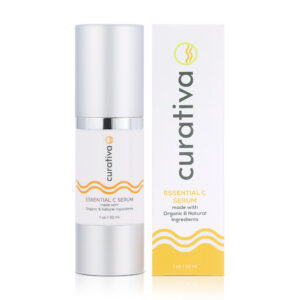
Essential C Serum
$ 38.99 or Original price was: $ 38.99.Current price is: $ 33.14. / month
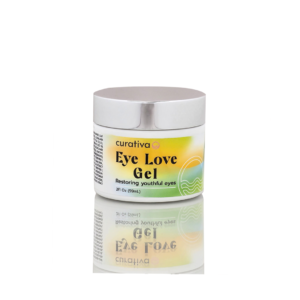
Eye Love Eye Gel
$ 38.99 or Original price was: $ 38.99.Current price is: $ 33.14. / month
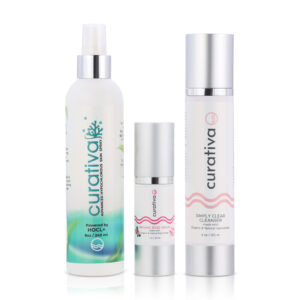
Simply Clear Regimen
$ 76.20 or Original price was: $ 76.20.Current price is: $ 64.77. / month
Ultimate Skin Health Regimen
$ 78.65 or Original price was: $ 78.65.Current price is: $ 66.85. / month
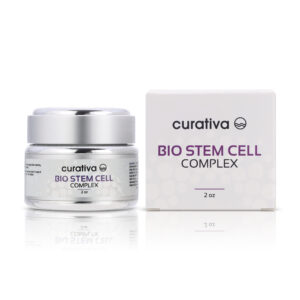
Bio Stem Cell Moisturizer (Plant Based Stem Cell)
$ 59.99 or Original price was: $ 59.99.Current price is: $ 50.99. / month
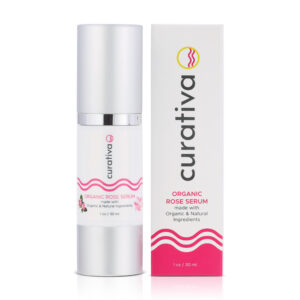
Organic Rose Serum
$ 39.93 or Original price was: $ 39.93.Current price is: $ 33.94. / month
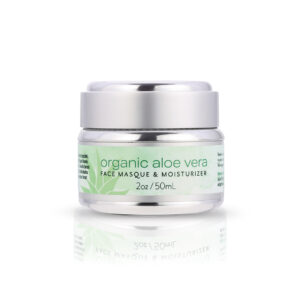
Aloe Miracle Moisture Masque
$ 38.95 or Original price was: $ 38.95.Current price is: $ 33.11. / month

Select options This product has multiple variants. The options may be chosen on the product page